
Do you need nitric oxide
TO GET AN ERECTION ?
Sexual Arousal
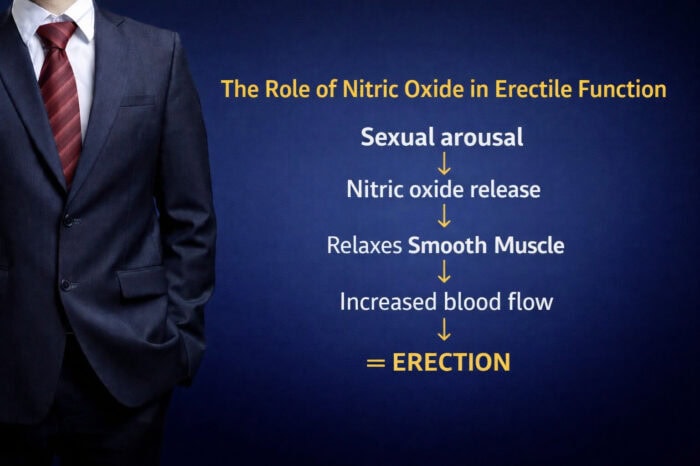
Sexual arousal sets off a series of biochemical events that allow an erection to occur. One of the most important molecules in this process is nitric oxide (NO).
When sexual stimulation occurs, nitric oxide is released from nerve endings and endothelial cells (the lining of blood vessels).
Nitric oxide acts as a signalling molecule, triggering the production of cyclic GMP (cGMP), which relaxes smooth muscle in penile tissue.
Penile erection depends on the relaxation of smooth muscle in the corpus cavernosum and the walls of small arteries.
This relaxation allows blood vessels to dilate (vasodilation) so that blood can enter and fill the erectile tissue.
Without sufficient nitric oxide, this process cannot be initiated effectively.
Folic Acid and Erectile Function
Can nutrient levels influence nitric oxide production?
Research suggests yes, particularly when it comes to folic acid.
Folic acid is a B-vitamin essential for amino acid metabolism. Studies, including meta-analyses, have shown that low folic acid levels are an independent risk factor for erectile dysfunction.
One reason is that folic acid improves nitric oxide bioavailability by supporting endothelial nitric oxide synthase (eNOS) coupling. This enzyme is responsible for producing nitric oxide in blood vessels. When eNOS functions properly, nitric oxide production is enhanced, helping to preserve endothelial health.
By improving nitric oxide availability, folic acid may protect against endothelial dysfunction—a state in which blood vessels fail to relax properly, impairing blood flow.
Endothelial Dysfunction and Erectile Health
Erectile function depends heavily on the endothelium, the thin layer of cells lining the blood vessels. Endothelial dysfunction leads to an inability of the smooth muscle cells lining the arterioles to relax, preventing vasodilation.
Researchers have found that endothelial function is often impaired in men with erectile dysfunction even in the absence of cardiovascular disease or diabetes mellitus. This makes erectile dysfunction more than just a sexual concern, it can also be an early marker of systemic vascular problems.

Oxidative Stress and Nitric Oxide Breakdown
Another factor that affects nitric oxide is oxidative stress. Reactive oxygen species (ROS) can bind to and inactivate nitric oxide, reducing its availability for smooth muscle relaxation.
This “quenching” effect is one reason why chronic conditions like diabetes, hypertension, and smoking—which all increase oxidative stress—are strongly associated with erectile dysfunction. Diets rich in antioxidants (from vegetables, fruits, nuts) may help counter this effect by protecting nitric oxide from breakdown.
Lifestyle and Vascular Health
As men age, nitric oxide production naturally declines. The enzymes responsible for nitric oxide release become less efficient, and blood vessels lose some of their flexibility.
This contributes to age-related changes in erections.
While ageing does not make erectile dysfunction inevitable, it does make the nitric oxide pathway more vulnerable, especially when combined with other vascular risk factors.
Takeaway
Nitric oxide is essential for erections.
It acts as the signal that allows the smooth muscle in the penis to relax, blood vessels to dilate, and blood to flow into erectile tissue.
Low folic acid, oxidative stress, ageing, and lifestyle factors can all reduce nitric oxide availability, contributing to erectile dysfunction.
Supplements such as folic acid and L-citrulline may help, but broader vascular health including exercise, nutrition, and not smoking is equally important.
Since endothelial dysfunction has been observed in men with erectile dysfunction even without cardiovascular disease, paying attention to nitric oxide pathways is not only relevant for sexual health—it may also offer insights into overall cardiovascular wellbeing.
